





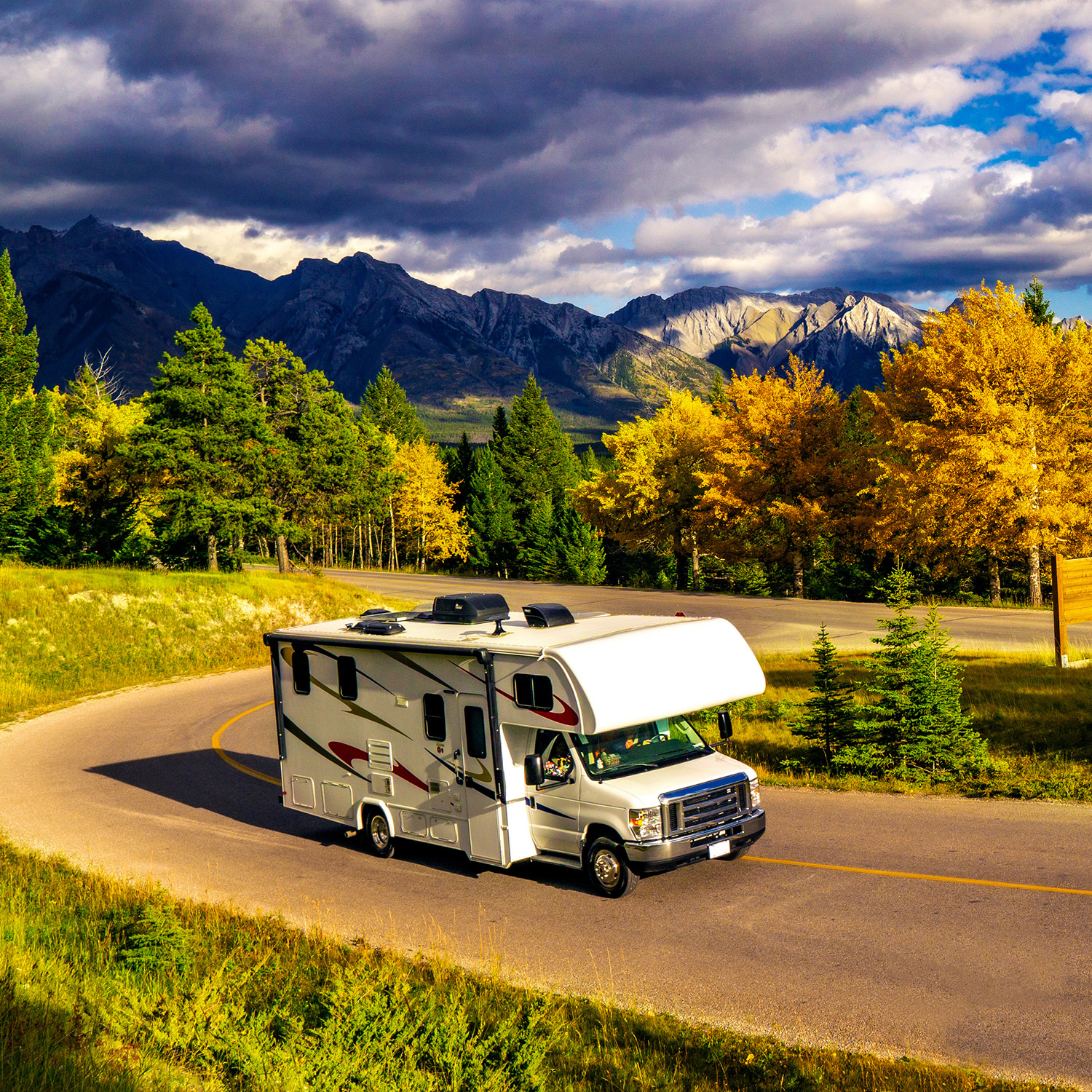
1. Why People Consider Buying an RV
- Freedom & flexibility: RVs let you wake up in scenic locations, choose your itinerary, and avoid expensive hotels. You’re no longer bound by check-in times or rigid schedules, the road is yours!
- Cost efficiency (if used often): While the upfront cost is high, frequent travel can turn ownership into a better value than rentals. Over time, savings on lodging and airfare can really add up.
- Lifestyle appeal: Whether dreaming of off-grid boondocking or resort camping, RV ownership caters to a range of travel styles. It also supports slower, more intentional travel that many find deeply fulfilling.
2. Pros and Cons of RV Ownership
Pros:
- Personalized comfort: Customize your living space with preferred appliances, bedding, and layout. It becomes your home on wheels, tailored exactly to your needs.
- Spontaneous adventure: Your vehicle and accommodation are one; you're always ready to hit the road. This opens the door to last-minute weekend getaways or cross-country treks.
- Community & experiences: Campgrounds foster social connections and shared experiences. Many RVers form lasting friendships through meetups, rallies, and online communities.
Cons:
- High upfront cost: New RVs start around $30K+, with luxury models reaching hundreds of thousands. Even used models can carry a hefty price tag depending on condition and features.
- Ongoing costs: Maintenance, insurance, fuel, storage, and depreciation add up. Many owners underestimate how quickly these recurring costs can chip away at savings.
- Depreciation risks: Unlike homes, most RVs lose substantial value quickly. Within five years, many RVs are worth only a fraction of their original purchase price.
- Operational complexity: Driving large vehicles, navigating RV-friendly routes, handling waste systems, all require practice. First-time owners often face a learning curve before feeling confident.
3. Should You Buy or Rent?
Rent First: Ideal for testing sizes and features; many recommend renting the exact model you're considering. This gives you firsthand insight into how it feels to travel and live in that space.
- Buy If:
- You plan multiple trips per year or full-time RV living, making ownership more economical. If RVing becomes part of your identity or lifestyle, buying makes long-term sense.
- You want to customize, personalize, or live off-grid more easily. Ownership allows you to outfit your rig with solar, security systems, or specific comforts for extended travel.
- Rent If:
- You travel occasionally and want minimal long-term obligations. Renting removes the burden of maintenance and storage between trips.
4. What RV Fits You?
- Define your travel style: Weekend luxury, off-grid, family vacations, or full-time living. Your style influences size, layout, and essential features.
- Pick your RV type:
- Motorhome (Class A/B/C): drive and sleep in the same vehicle. Great for convenience, but often more expensive to maintain.
- Towable (travel trailer, fifth‑wheel, pop‑up): requires a tow vehicle and hitch. Offers flexibility and lower initial costs, but setup and maneuvering can be trickier.
- Do size testing: Big isn't always better; smaller RVs are easier to handle. Larger rigs can limit access to certain campgrounds or roads.
- New vs. used:
- New: latest features, full warranty. Ideal for peace of mind but carries steep depreciation.
- Used: more affordable, but inspect thoroughly. A well-maintained used RV can be a smart, cost-effective entry point.
5. Buying Checklist
- Inspect thoroughly: Hire a certified RV inspector to check structural, electrical, plumbing, and chassis systems. Issues are much cheaper to address before a sale than after.
- Test drive/rental: Do a “shakeout” trip near home to check handling, weight, and systems. You’ll get a feel for what works and what might need adjusting.
- Understand towing/driving skills: Practice turns, braking, and route planning. Consider taking a driving course for larger rigs if you're nervous behind the wheel.
- Prepare financially: Budget for the purchase, insurance, storage, and ongoing care. Ownership includes both expected and surprise expenses.
- Plan logistics: Get RV insurance, consider storage options, map RV‑legal routes, and understand campground booking. Logistics matter more than you think, especially during peak seasons.
6. Does it Fit Retirement or Full-Time Living?
They’re great for retirees, but be aware of drawbacks: limited healthcare access, mail challenges, isolation, waste disposal, and mileage wear. Some retirees find the freedom empowering while others miss stability.
Final Take
So, should you buy an RV?
- Yes, if you intend to use it frequently, crave customization, and embrace the lifestyle complexity. Ownership pays off when it enhances your life, and doesn’t complicates it.
- Not yet, if you're unsure about travel frequency or want to explore the experience first, renting is a smart first step. It’s better to try before you commit and discover what works for you.
Bottom line: research your needs, take a test drive (or rental), inspect carefully, and budget wisely. With the right mindset and planning, an RV can be more than just a vehicle, it can be your gateway to unforgettable experiences.
You bring the adventure. We’ll make the payments easier.
Big adventures shouldn’t come with big monthly payments. Our new 10-year loan option gives you breathing room in your budget with lower monthly payments, while keeping you on track for unforgettable trips. Let’s get you rolling.
Apply now at climbcu.org/RV
Not all applicants will qualify. Other terms and conditions apply.